Voice Box Surgery
Microlaryngoscopy
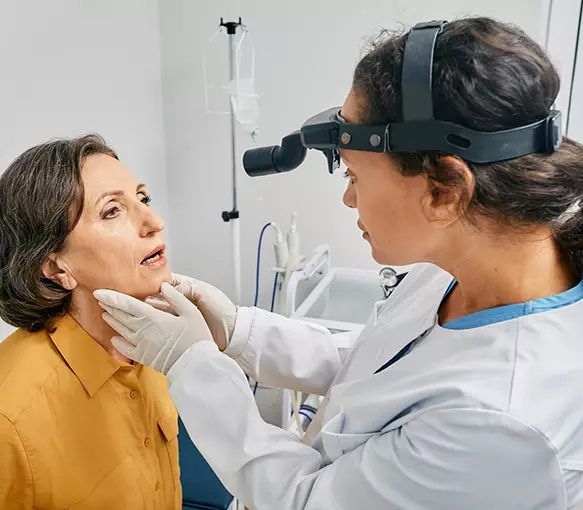
A microlaryngoscopy is an operation to look closely at your voice box (larynx) and vocal cords, and to treat problems there. It’s done under a general anaesthetic, through your mouth, so there are no cuts to the skin.
Your surgeon uses a microscope to see your vocal cords in fine detail. They can take a biopsy, remove growths such as polyps and cysts, or treat other problems during the same operation.
It’s usually day surgery, and most people go home the same day.
Why you might need a microlaryngoscopy
Your surgeon may recommend a microlaryngoscopy if you have:
- Hoarseness that hasn’t improved with voice therapy or other treatment
- A growth on your vocal cords, such as a polyp, cyst or nodules that haven’t settled
- A patch or growth that needs a biopsy to check for cancer
- Papillomas (wart-like growths caused by a virus)
- Swelling of the vocal cords from smoking (Reinke’s oedema)
- A narrowing in the voice box or upper airway
- Symptoms that need a closer look than the rooms camera can give
Most people have a camera examination in the rooms first. This uses a thin, flexible camera passed through your nose while you’re awake. A microlaryngoscopy is the next step when your surgeon needs a closer look, a biopsy or treatment. Read about hoarseness and voice disorders
Contact Us
467 Upper Heidelberg Road,
Heidelberg Heights, VIC 3081
03 9998 7459
Before your operation
Your surgeon will explain why they’re recommending the operation, what they plan to do and the risks. This is a good time to ask questions.
You’ll be told when to stop eating and drinking beforehand. Tell your surgeon about any medicines you take, particularly blood thinners, and about any loose or capped teeth.
If you smoke, stop at least two weeks before surgery. Smoking slows healing, and it makes some vocal cord growths more likely to come back.
What happens during the operation
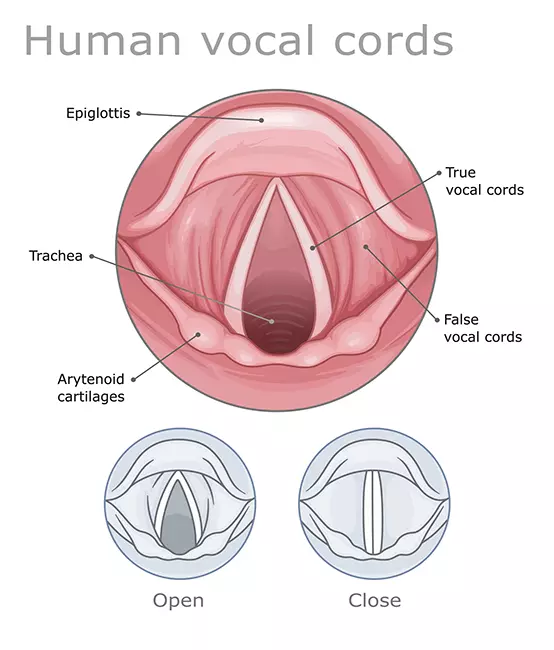
Your voice box sits at the top of your windpipe. Inside it are two vocal cords, which vibrate together to make your voice and close tightly when you swallow.
You’ll be asleep under a general anaesthetic.
Your surgeon places a smooth metal tube (a laryngoscope) through your mouth to hold it open and give a clear view of your voice box. A microscope then magnifies your vocal cords so the surgeon can work on them with fine instruments.
Depending on what your surgeon finds, they may:
- Take a small sample (biopsy) to send to a lab
- Remove a polyp, cyst or other growth
- Remove swollen tissue
- Inject into a vocal cord
- Take photos to compare with at later appointments
The operation is usually under an hour.
Recovery
Treatment depends on the cause. Many people need a combination.
Straight after
Most people go home the same day, once they’ve woken fully and can eat and drink. You’ll need someone to drive you home and stay with you overnight.
A sore throat is common for a few days. Simple pain relief such as paracetamol is usually enough. Your tongue or jaw may feel tender or numb from the laryngoscope, and this usually settles within days.
Voice rest
Your surgeon may ask you to rest your voice after the operation. This gives the vocal cords time to heal.
Most people rest their voice completely for two to three days, then use a quiet voice for about a week. After a small biopsy, it may be shorter. After removing a polyp or cyst, it may be longer. Your surgeon will tell you what to do in your case.
Voice rest means not talking, singing, whispering or clearing your throat. Keep a notepad or phone handy to write things down.
Returning to normal
Your voice may sound hoarse or weak for a few weeks while it heals. Most people return to work within a few days to a week. People who use their voice heavily at work, such as teachers and singers, may need longer.
If a speech pathologist was part of your care before surgery, you’ll usually see them again afterwards to rebuild your voice gradually. Read our post-operative care information
Your follow-up appointment
You’ll have a follow-up appointment with your surgeon, usually a week or two after surgery. They’ll check how you’re healing and go through any biopsy results with you.
Risks
Microlaryngoscopy is a common operation and serious problems are rare. Possible risks include:
- Sore throat
- Damage to teeth, crowns or fillings from the laryngoscope
- Small cuts or bruising to the lips, gums or tongue
- Numbness, tingling or a change in taste in the tongue, which usually settles
- Jaw stiffness or pain
- Bleeding
- A voice that’s hoarse or different afterwards. This usually improves, but occasionally it’s permanent.
- Scarring of the vocal cords, which can affect the voice
- Rarely, swelling in the voice box that affects breathing
- The usual risks of a general anaesthetic
Your surgeon will talk you through the risks that apply to you before you agree to the operation.
When to get help after surgery
Call 000 or go to an emergency department if you have:
- Difficulty breathing or noisy breathing
- Coughing up more than a small amount of blood
Call the practice on 03 9998 7418 if you have:
- A fever
- Pain that isn’t controlled by your pain relief
- Trouble swallowing
- Any symptom that worries you
Our ENT surgeons
All our surgeons perform microlaryngoscopy. Our surgeons are Fellows of the Royal Australasian College of Surgeons (FRACS).
Frequently Asked Questions
A microlaryngoscopy is an operation to examine and treat the voice box. It’s done under a general anaesthetic, through the mouth, using a microscope to magnify the vocal cords. Your surgeon can take a biopsy or remove growths such as polyps and cysts during the same operation.
Usually, yes. Most people go home the same day once they’ve woken up and can eat and drink. You’ll need someone to drive you home and stay with you overnight. Some people stay in hospital overnight, depending on their health or what was done.
Most people rest their voice completely for two to three days, then use a quiet voice for about a week. It depends on what your surgeon did, so it may be shorter after a small biopsy and longer after removing a polyp or cyst. Your surgeon will tell you what to do in your case.
Your voice may be hoarse or weak for a few weeks while your vocal cords heal. This usually improves. Occasionally the voice stays different, and your surgeon will talk you through this risk before the operation. Voice therapy can help you use your voice safely as it recovers.
You’re asleep during the operation, so you won’t feel it. Afterwards, a sore throat is common for a few days, and your tongue or jaw may feel tender. Simple pain relief such as paracetamol is usually enough.
Most people go back to work within a few days to a week. People who use their voice heavily at work, such as teachers or singers, may need longer. Your voice may take a few weeks to settle fully. Your surgeon will give you advice based on what was done and the work you do.
They can. Growths are more likely to come back if the cause continues, such as smoking, reflux or straining the voice. Stopping smoking, treating reflux and voice therapy with a speech pathologist all lower the chance of them returning.
Singers should wait until their surgeon says it’s safe, which is usually after the follow-up appointment. Returning gradually with support from a speech pathologist or voice teacher reduces strain on the healing vocal cords.
Biopsy results usually take about a week. Your surgeon will go through them with you at your follow-up appointment, or contact you sooner if needed.
You’ll need a GP referral to claim a Medicare rebate for an appointment with an ENT surgeon. Your surgeon will then decide with you whether a microlaryngoscopy is needed.
Speech pathology at ENT Specialists Group
Our speech pathologist, Sophie Bradstreet, works with patients before and after voice surgery.
Where we operate: our surgeons operate at hospitals including Warringal Private, Epworth Eastern, Epworth Richmond, Mitcham Hospital, Knox Private, Waverley Private, Adeney Private, Sir John Monash Private, St Vincent’s Private East Melbourne, Victoria Parade Surgery Centre, Shepparton Private and St John of God Bendigo.
Book online through HotDoc or call reception on 03 9998 7418.